
Search Engine Optimization: 10 Proven Strategies to Rank Higher in 2026
In today’s digital world, search engine optimization is one of the most effective ways to increase website visibility, attract qualified visitors, and build long-term online success. Whether you own a business, manage a blog, or run an eCommerce store, investing in SEO helps you reach people actively searching for your products or services.
Unlike paid advertising, SEO delivers sustainable organic traffic by improving your website’s relevance and authority in search engines. This guide explains the importance of search engine optimization, the strategies that work in 2026, and how you can improve your website’s performance.
see my portfolio : shaanaa.in
What Is Search Engine Optimization?
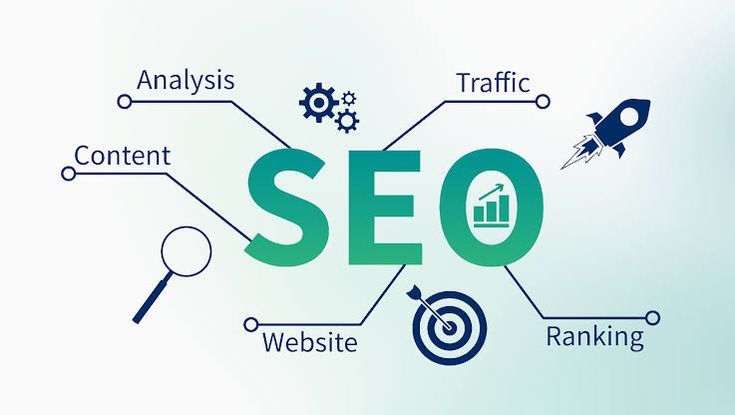
Search engine optimization is the process of improving a website so it ranks higher on search engine results pages (SERPs). It involves optimizing content, website structure, page speed, technical SEO, backlinks, and user experience to increase organic traffic.
A successful search engine optimization strategy focuses on both search engines and users by providing valuable, relevant, and trustworthy content.
Why Search Engine Optimization Matters
Millions of searches happen every day, and most users click one of the first few results. Effective search engine optimization helps your website appear where potential customers are already searching.
Some of the biggest benefits include:
- Increased organic traffic
- Higher brand visibility
- Better user experience
- Improved website credibility
- More qualified leads
- Long-term marketing results
Businesses that prioritize search engine optimization often experience consistent growth without relying solely on paid advertising.
1. Perform Keyword Research
Every successful SEO strategy starts with keyword research. Understanding what your audience searches for allows you to create content that answers their questions.
Strong search engine optimization begins by targeting relevant keywords with achievable competition and clear search intent.
2. Create High-Quality Content
Google rewards websites that publish original, helpful, and engaging content.
Quality articles, guides, FAQs, and case studies strengthen your search engine optimization efforts while building trust with readers.
3. Optimize On-Page SEO
On-page SEO includes:
- SEO titles
- Meta descriptions
- Headings
- URLs
- Internal links
- Image alt text
These elements help search engines understand your content and improve search engine optimization performance.
4. Improve Website Speed
Website speed is both a ranking factor and a user experience factor.
Compressing images, reducing unnecessary scripts, and improving Core Web Vitals contribute to better search engine optimization.
5. Build a Mobile-Friendly Website
Google uses mobile-first indexing, making responsive design essential.
A mobile-friendly website improves usability and supports stronger search engine optimization results.
6. Build High-Quality Backlinks
Backlinks remain one of Google’s strongest ranking signals.
Earning links from authoritative websites improves domain authority and strengthens your search engine optimization strategy.
7. Strengthen Internal Linking
Internal links help users discover related content while allowing search engines to crawl your website efficiently.
A good internal linking strategy improves search engine optimization and distributes authority across important pages.
8. Focus on Technical SEO
Technical SEO ensures your website is easy for search engines to crawl and index.
Important areas include:
- XML sitemaps
- Robots.txt
- HTTPS
- Canonical tags
- Structured data
- Core Web Vitals
9. Optimize for User Experience
Google values websites that provide a positive browsing experience.
Easy navigation, readable layouts, and fast-loading pages encourage visitors to stay longer, supporting better seo
10. Monitor Seo Performance
SEO is an ongoing process.
Track your rankings, organic traffic, and user behavior using Google Search Console and Google Analytics to refine your search engine optimization strategy over time.
Common SEO Mistakes to Avoid
Many websites struggle because they make preventable mistakes, including:
- Keyword stuffing
- Duplicate content
- Slow page speed
- Poor mobile experience
- Broken links
- Missing meta descriptions
- Weak internal linking
- Ignoring technical SEO
Avoiding these issues helps improve long-term rankings.
Best Practices for Long-Term SEO Success
To maximize results:
- Publish helpful content consistently.
- Update older blog posts.
- Build quality backlinks.
- Improve Core Web Vitals.
- Optimize images.
- Follow Google’s SEO guidelines.
- Monitor keyword performance regularly.
These practices keep your website competitive as search algorithms continue to evolve.
Related Articles
Conclusion
Search engine optimization remains one of the most valuable digital marketing strategies for businesses looking to increase online visibility and attract long-term organic traffic. By focusing on quality content, technical SEO, keyword research, backlinks, and user experience, you can build a website that performs well in search results.
SEO is not a one-time task but an ongoing process of improvement. Staying updated with industry trends, monitoring website performance, and continuously optimizing your content will help you achieve sustainable growth and maintain a competitive edge in 2026.

shana vp
Hi, I'm Shana VP, a Digital Marketing Strategist in kannur dedicated to helping brands succeed in the digital world. With expertise in SEO, Social Media Marketing, Content Creation, and Web Design, I create strategies that enhance online presence, attract the right audience, and drive sustainable growth.