Google Keyword Planner: The Complete 2026 Guide to Smarter Keyword Research
Finding the right keywords is the foundation of every successful SEO strategy. Whether you’re a beginner, freelancer, blogger, or business owner, choosing keywords with the right search intent can make the difference between ranking on Google’s first page or getting lost in the competition. This is where google keyword planner becomes one of the most valuable free tools available.
Originally designed for advertisers, google keyword planner has become an essential resource for SEO professionals looking to discover keyword ideas, estimate search volume, and understand competition. In 2026, keyword research is no longer about finding high-volume terms alone. It is about identifying search intent, topical relevance, and opportunities that match your audience’s needs.
Why Keyword Research Matters More in 2026
Google’s AI-powered search experiences have changed how users discover information. Instead of rewarding pages that simply repeat keywords, Google now prioritizes helpful, experience-based content that answers user questions.
Using google keyword planner helps you understand what people are actively searching for. By targeting relevant keywords, you can create content that attracts qualified visitors rather than random traffic.
What Is Google Keyword Planner?
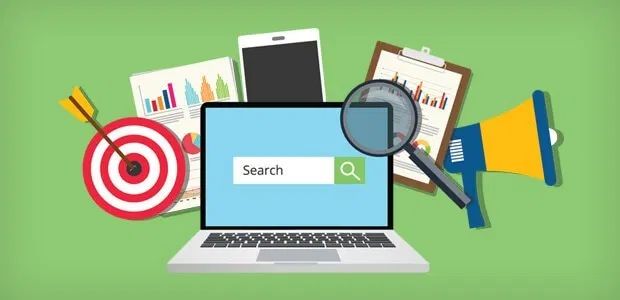
google keyword planner is a free keyword research tool inside Google Ads. It allows users to discover keyword ideas, estimate monthly search volumes, identify competition levels, and analyze keyword trends before creating content or advertising campaigns.
Even if you don’t run paid ads, the tool provides valuable insights for building a strong SEO strategy and planning blog topics that align with real user searches.
Discover High-Intent Keywords
One of the biggest advantages of google keyword planner is its ability to uncover keywords with commercial and informational intent. Instead of choosing broad terms, focus on long-tail keywords that solve specific problems.
For example, rather than targeting “SEO,” you could target phrases such as “SEO checklist for beginners” or “how to improve local rankings.” These keywords usually have stronger conversion potential.
Analyze Search Volume Carefully
Many beginners chase only the highest search volume keywords. However, those terms often have intense competition.
With google keyword planner, you can balance search volume with competition to find realistic ranking opportunities. Medium-volume keywords with lower competition frequently deliver better long-term results than extremely competitive phrases.
Build Topic Clusters
Modern SEO focuses on topical authority rather than isolated articles.
Use google keyword planner to identify related keyword variations and organize them into content clusters. For example, if your main topic is SEO, create supporting articles about on-page SEO, technical SEO, local SEO, keyword research, and Google Search Console. Linking these articles together strengthens your website’s authority.
Understand Search Intent
Every keyword represents a user’s goal. Some users want information, others want to compare products, while some are ready to purchase.
Successful marketers use google keyword planner to identify keywords that match each stage of the customer journey. Creating content that aligns with search intent increases engagement and improves rankings.
Combine with Other SEO Tools
Although the tool provides valuable data, combining it with Google Search Console, Google Analytics, and other SEO platforms gives a more complete picture of your website’s performance.
Many professionals begin their research with google keyword planner before validating opportunities using performance data from their own websites.
Keep Up with Seasonal Trends
Keyword popularity changes throughout the year. Holidays, shopping seasons, local events, and industry updates all influence search behavior.
Reviewing data regularly through google keyword planner helps you identify seasonal opportunities and publish content before search demand reaches its peak.
Avoid Common Keyword Research Mistakes
Many beginners target keywords that are too competitive, ignore search intent, or publish content without understanding what users actually need.
Instead of stuffing keywords repeatedly, focus on producing valuable, informative, and trustworthy content. While google keyword planner helps identify opportunities, success ultimately depends on creating content that genuinely helps readers.
Best Practices for Better Results
To maximize SEO performance in 2026:
- Focus on long-tail keywords.
- Update older articles regularly.
- Create content clusters around your niche.
- Optimize titles, headings, and meta descriptions.
- Monitor performance using Google Search Console.
- Improve page speed and mobile usability.
- Build quality backlinks from relevant websites.
These practices work even better when combined with insights from google keyword planner, allowing you to make data-driven content decisions instead of guessing.
Final Thoughts
Keyword research remains the starting point of every successful SEO strategy. Businesses that understand user intent, publish valuable content, and optimize their websites consistently achieve better rankings over time.
Whether you’re building a personal blog, growing an online business, or offering digital marketing services, google keyword planner provides the insights needed to discover opportunities and create content that users are actively searching for. By using google keyword planner consistently and combining it with modern SEO best practices, you can build sustainable organic traffic and stay competitive throughout 2026.
Explore More
📖 Read More Digital Marketing Blogs : shaanaa.in/blog
🚀 Want to improve your website rankings?
Visit my Digital Marketing Strategist in Kannur page to discover SEO, content marketing, and website optimization services that help businesses grow online.

shana vp
Hi, I'm Shana VP, a Digital Marketing Strategist in kannur dedicated to helping brands succeed in the digital world. With expertise in SEO, Social Media Marketing, Content Creation, and Web Design, I create strategies that enhance online presence, attract the right audience, and drive sustainable growth.